Serra de Tramuntana is the mountain range along the north-west coast of Mallorca. It is a protected area and a UNESCO World Heritage Site since 2011. It has a length of around 90 km, with a maximum width of 15 km and an altitude of 1,445 meters. It covers more than 1,000 square km (around 30% of the island), in 18 municipalities, with a population of some 8,000 in the central areas and another 40,000 in the buffer zone.
The Serra de Tramuntana is the largest protected area in the Balearic Islands; it hosts the wildest sites and the greatest diversity of habitats: Holm oak and Aleppo pine forests, Mediterranean scrub (garrigue), olive groves, inland and sea cliffs, gravel coves, medium and high mountains and hidden agricultural valleys. We will be looking for Cinereous and Griffon vultures, Bonelli’s and Booted eagles, Peregrine, Raven, Blue rock thrush, Balearic warbler, Wren, etc. We will also have the opportunity to find several endemic plant species.
The tour focuses on two of the main birding sites in the Tramuntana mountains: Mortitx valley and Cúber reservoir. In the morning we visit Mortitx, a mountain valley with vineyards, olive groves, Aleppo pine forest and Mediterranean scrub (garrigue). The route is about 7 km with some gentle slopes.
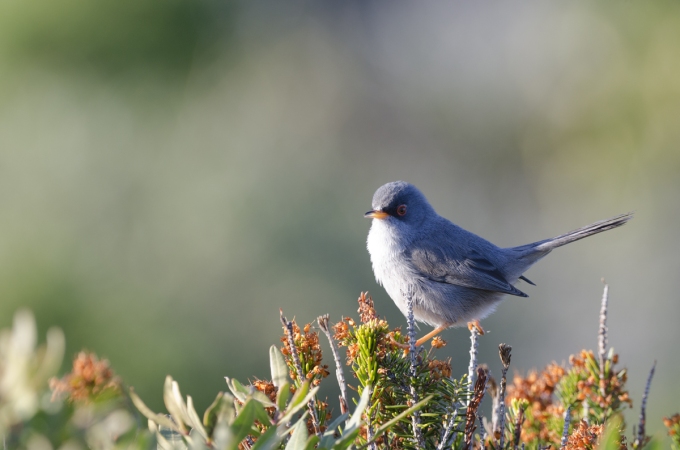
In the afternoon we do a circular tour around Cúber reservoir (4,5 km) where we can find again Cinereous and Griffon vultures, Booted eagle, Blue rock thrush, Balearic warbler, as well as Osprey fishing in the reservoir. The route is flat and the path is very easy.
Duration: full day. Mortitx and Cúber reservoir can be visited separately in a half day tour each.
Practical recommendations: in spring, autumn and winter bring your raincoat and waterproof walking/trekking shoes. At the end of spring and in summer a hat and sun protection are highly recommended. And of course, do not forget your binoculars, telescope and camera. Remember to bring enough water and your lunch.
Debe estar conectado para enviar un comentario.